


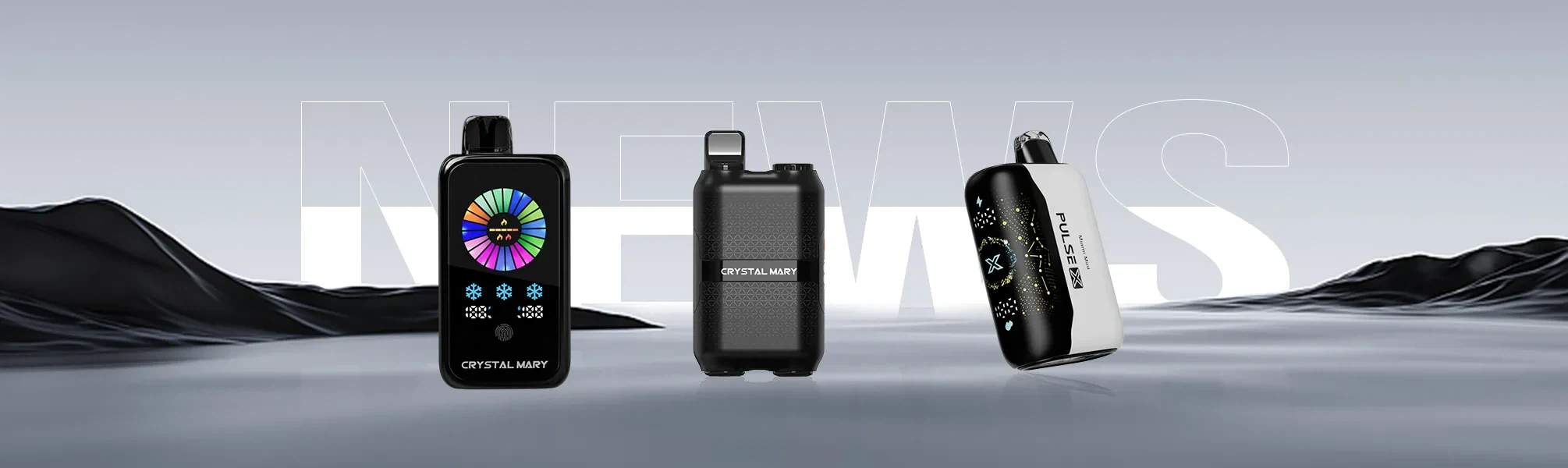
Watermelon Disposable Vapes: Ingredients, Nicotine, And Safety Considerations
Watermelon disposable vape products are all-in-one e-cigs that are pre-filled with flavored e-liquid. The article describes the typical ingredients found in these types of products, as well as how to read the nicotine and puff counts found on the packaging of the products. The article also describes the type of device and quality that you should be looking for, as well as how you should be storing and disposing of the product. Please note that just because a product is a fruit flavor, that does not mean that the aerosol produced by the product is safe to inhale. Nicotine is also very hazardous to people who do not use tobacco or nicotine products and should not use these types of products either, as they are also very addictive.
What is inside a watermelon disposable vape?
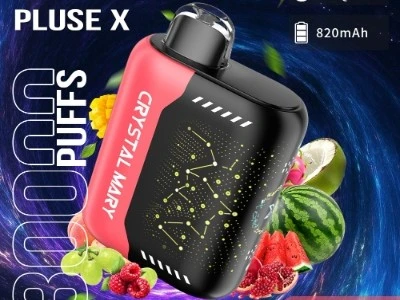
A typical disposable vape consists of a battery, an atomizer, a tank that holds e-liquid, and a mouthpiece. Most disposables are draw-activated, which means that the airflow changes when you inhale. This change is picked up by a sensor, which then activates the battery, which in turn activates the atomizer. The heating element then vaporizes the e-liquid in the tank to produce the aerosol. Disposable vapes are normally sold as sealed units containing the tank and the atomizer. These cannot be refilled or have the coil changed.
Typically, the liquid vape is composed of propylene glycol (PG) and/or vegetable glycerin (VG), flavorings, and possibly nicotine. The base of the liquid is made up of the PG and VG, while the various flavorings give it the watermelon taste and flavor within the categories of fruit, beverage, menthol/mint, and tobacco. Importantly, the name "watermelon" does not specify the particular flavor chemicals used nor the nicotine strength. Rather, one must check the package's list of ingredients and warnings.
Just because flavoring additives are used in food and heated in an atomizer to make an aerosol does not mean they are safe to inhale. Most aerosol products are made with a heated atomizer and are not foods. Even if a flavoring is labeled "natural" or contains the name of a real fruit, the long-term health effects of inhaling most flavoring mixes are not known. Use of terms such as "natural" on packaging does not constitute a safety claim.
How should nicotine and puff information be interpreted?
Many nicotine products must list the nicotine content as a percentage, concentration in mg/mL, and total amount of nicotine in the product. The concentration of nicotine is the amount of nicotine in a volume of liquid. This amount can vary depending on the concentration and tank size. Be sure to read the units as well as the warning text on the label. The number of puffs a product will produce does not equal the concentration of nicotine in the vapor. Therefore, it is not an accurate measure of the amount of nicotine that will be absorbed by the user.
Some e-liquids contain nicotine salts. Even at the same concentration of nicotine as regular freebase e-liquid, nicotine salts can produce a smoother throat hit. But it is worth noting that a smoother throat hit does not automatically mean lower nicotine exposure or less risk. Nicotine is addictive. The amount of nicotine taken up by the body can be affected by a number of factors, including the length of time and frequency of puffs, as well as the power of the device and the user's behavior.
Even when strict rules for test cycles of e-cig testers are observed, puff counts for such test cycles are only estimates. The length of puffs and the time between puffs can deviate greatly from user averages, which is why e-cig counters can only estimate the total puff volume. Similarly, the indicators for battery and liquid are only approximations.
What safety and quality information should you check?
Always check the label of any product before use for the amount of nicotine, size of e-liquid container, list of ingredients, age restrictions, batch number, and contact details of the manufacturer. Check the device and its packaging for signs of damage or tampering before use. If any of the above points are not printed on the label, do not attempt to guess from the flavor name and/or expected number of puffs.
Even more quality steps can be of value to assess vaping products. However, none of these quality steps prove that vaping is harmless. The supplier check, the part inspection, the pressure test, the leak test, the puff-cycle test, as well as the batch test, can be of added value. A batch can even be tested for specific compounds by using Gas chromatography–mass spectrometry (GC-MS) tests. Important to determine what has been tested, which batch it was, and whether the results and any supporting documentation can be verified. A test claim does not automatically mean that all potentially harmful substances are excluded.
Use only in perfect condition - do not use if the device leaks, has a burnt taste, becomes too hot, shows signs of outer case damage or battery swelling. Do NOT puncture, refill, or attempt to take apart / alter in any way a sealed Disposable Device. If nicotine liquid comes into contact with skin, then wash with soap and water as soon as possible. If nicotine liquid is swallowed or the user is suffering from serious symptoms such as difficulty breathing, suffering from confusion, or suffering from chest pain, then seek urgent medical help or contact local poison control center.
How do device features affect use and handling?
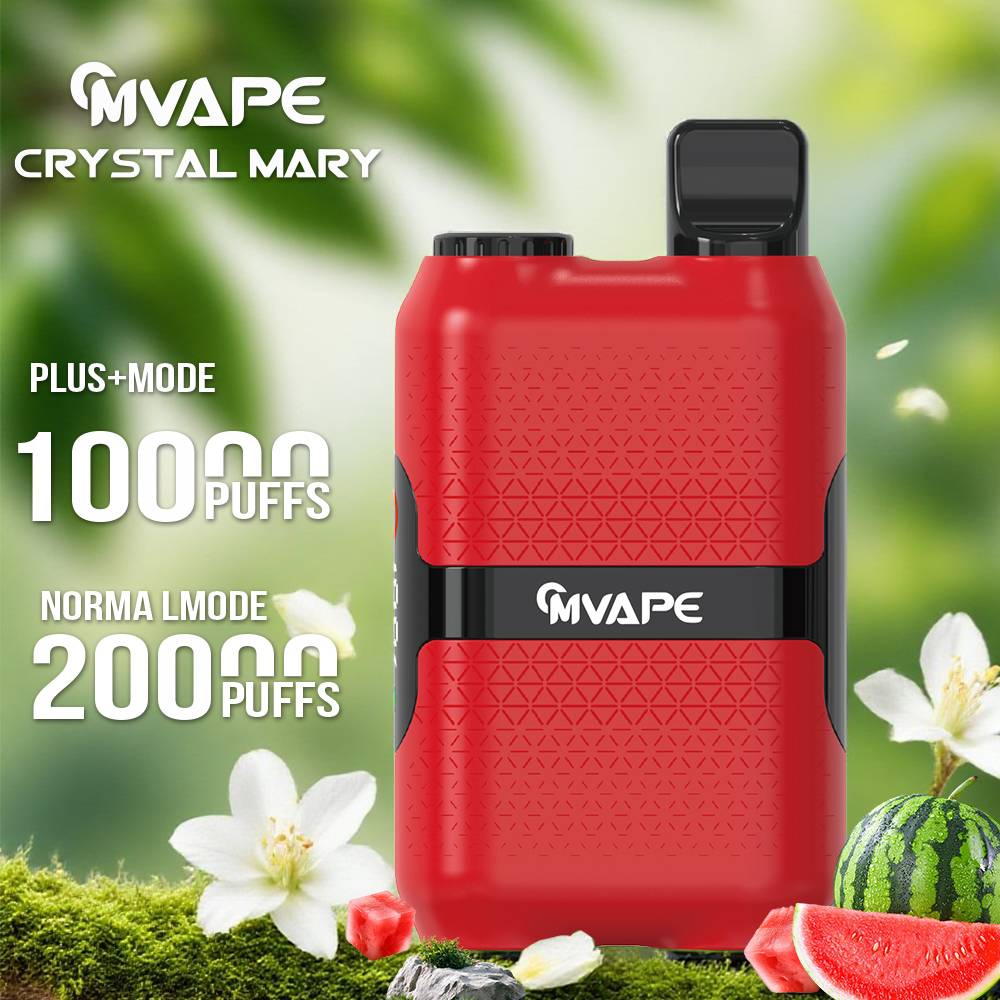
A sealed disposable device is a self-contained unit with the battery, atomizer, and liquid tank all contained within a small sealed unit. It is not intended to be opened and does not require refilling of liquid or swapping of atomizer coils. The battery life of a disposable device will be determined by the size of the battery and the requirements of the atomizer. A rechargeable device may have a charging port in the unit and a larger battery, but even with the ability to recharge the battery, there are still some risks with battery use.
There are models of vapor products that include screens and lights to approximate how many puffs of liquid you are getting left in the unit, the charge of the battery, and the amount of liquid left in the tank. These are just rough estimates, so use with caution. Follow the charging instructions for the model of your unit and only charge with the recommended method for your device. Charge your unit on a flat surface, away from anything that could block air to the unit, and unplug when it is fully charged. Do not charge a hot, wet, swollen, or damaged unit, and do not leave it charging all night.
How should a watermelon disposable vape be stored and discarded?
For long periods of time, it's best to store unused devices in a cool, dry place out of direct sunlight and extreme heat. Don't store them in a garage, in cars, or in a place where children and pets could get into them. Try to retain the packaging with the product details and batch number on it until the device is disposed of. After a long time unused, always check the instructions for that device and the general condition of the device before trying to use it. If liquid has escaped from the device or it has been damaged in some way, do not use it.
Many Disposable vapes contain lithium batteries and other sensitive components in them, which must be disposed of in the correct manner. It is best to check with your local waste management department to find out where the best place is to take the Disposable vape, such as at a battery recycling center, an electronic waste recycling facility, or even at some of the household hazardous waste facilities. Do NOT throw them in the normal trash or recycling bins, and do NOT incinerate them or try to crush them up. Some of the vape manufacturers are now participating in product recycling as well as offering take-back programs for used products. It is best to contact the local recycling facilities to see if they can accept all makes and models of Disposable vapes.
How do we approach product information at Crystal Mary?
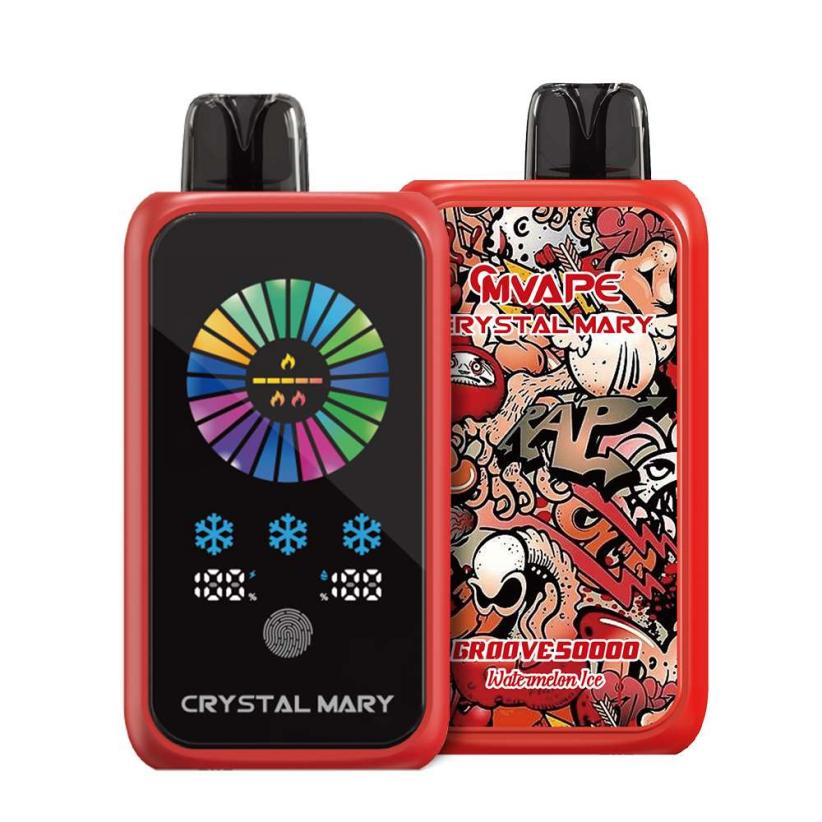
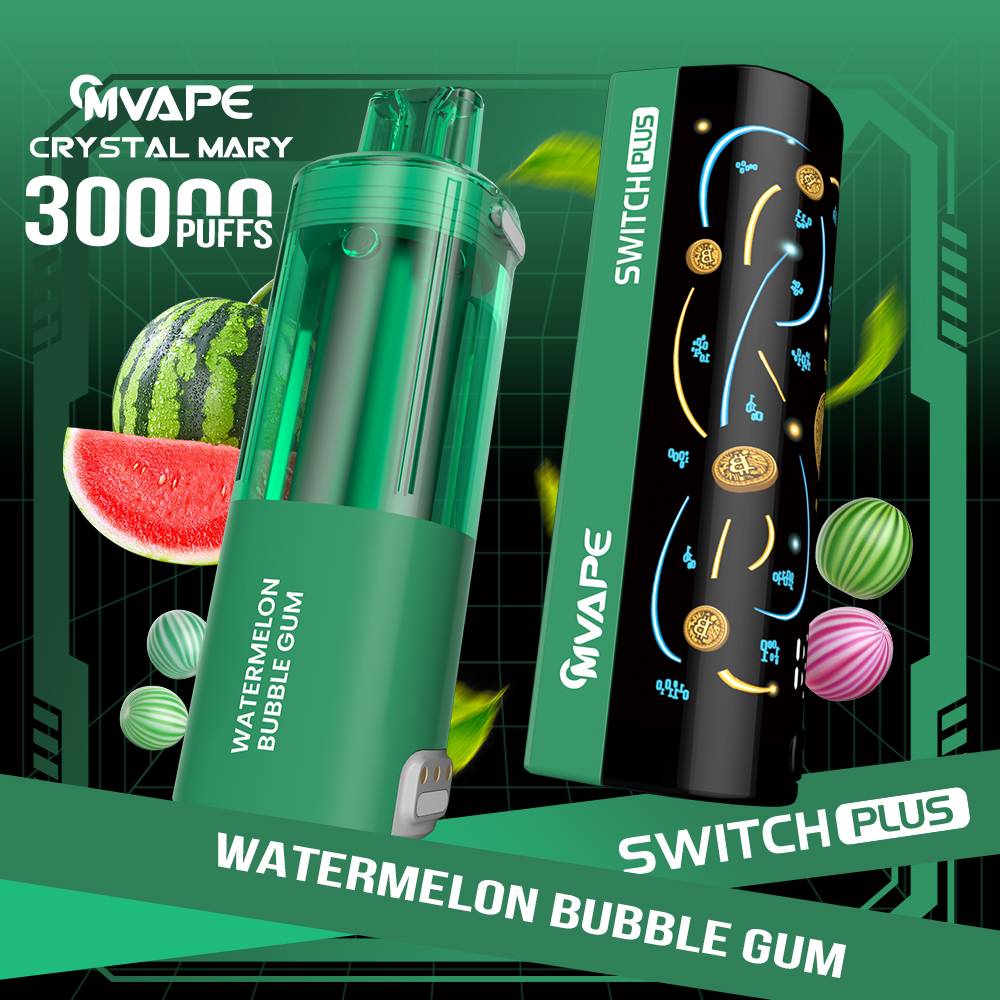
The disposable products from Crystal Mary are listed with the details that the customer would look for when considering a product. These include the type of the device, the labeled nicotine strength of the e-liquid, the e-liquid capacity, the battery capacity, and the stated puff count. An example of the details that we list for the products is: one of the different disposables that we sell has a 30,000-puff stated capacity and is available in a 2% or 5% nicotine e-liquid. These are the product details and are not a recommendation for the use of nicotine, nor a guarantee of the number of puffs that you will get from the product.
Quality check points, i.e., supplier checks, in-line leak/pressure tests, puff-consistency validation, and batch analysis are detailed. Information is also provided regarding the traceability of the products via the QR codes on the packaging, which link to the batch information for that product. As the packaging and local market requirements vary, the reader should refer to the actual package for the most up-to-date information. Clear labeling, age restriction, and responsible disposal information are also considered to form part of useful product communication at Crystal Mary.
FAQ
Q: How do I know how much nicotine a watermelon disposable vape contains?
A: Determine the amount of nicotine in the liquid as a percentage or mg/mL concentration. Determine the liquid capacity from the label. If this information is not provided or is not readable, then do not attempt to estimate it.
Q: What should I do if my device leaks or overheats?
A: Do not use the appliance and avoid contact with leaked liquid until the appliance has been repaired. Defective appliances should be stored away from heat and flammable materials. Waste from defective batteries and other waste from defective electronic appliances must be disposed of in accordance with local regulations.
Q: Can I put a disposable vape in regular recycling?
A: Batteries and large electrical appliances are generally collected separately at special collection points and in accordance with statutory requirements, not with household waste.


