


Top 10 Most Popular Vape Flavors Retailers Should Stock in 2026
Retailers researching popular vape flavors need more than a simple list of names. They want profiles that draw in buyers, encourage repeat purchases, and help build a balanced shelf. This guide points out ten flavors worth considering in 2026. It also explains how to arrange them for various markets and device formats.
The list looks at recognition, retail flexibility, repeat-purchase potential, and device suitability. It is not an official global sales ranking. Local laws and customer habits can change which flavors perform best.

What Makes a Flavor Worth Stocking in 2026?
Does Popularity Always Mean Strong Repeat Sales?
A highly promoted flavor may create trial purchases. Yet it may not build dependable demand. Retailers should compare initial sales with repeat orders, restocking speed, and customer requests. A strong core flavor is easy to understand. It also stays consistent across the device's lifespan.
Which Flavor Characteristics Support Wider Market Appeal?
Familiar fruit names reduce hesitation. Customers can predict the taste easily. Moderate sweetness and cooling often reach a wider audience. They work better than extreme sour, icy, or candy profiles. Single fruits work as core stock. Mixed fruits and mint provide variety at the same time.
What Criteria Are Used for This Top 10 List?
The selection considers familiarity, repeat-purchase potential, seasonal stability, and device compatibility. Each profile must serve a clear role. It should not duplicate another flavor.
What Are the Top 10 Most Popular Vape Flavors Retailers Should Stock?
The following top 10 most popular vape flavors are presented as flavor profiles rather than separate vape products. Each option serves a different role in a retail assortment. These roles range from broadly recognized fruit-ice profiles to mixed-fruit, mint, and candy choices. Retailers should start off with the general amount of each flavor to stock and then modify the quantities based on the retailer's local customers' tastes and preferences, repeat business, season, and flavors that are prohibited by law in their region.
|
Rank |
Flavor |
Flavor Profile |
Why Retailers Should Stock It |
|
1 |
Watermelon Ice |
Sweet, refreshing watermelon with a cooling finish |
The flavor is familiar, easy to explain, and suitable for a wide range of adult customers. |
|
2 |
Blue Razz Ice |
Sweet and slightly sour berry notes with a strong cooling effect |
It has a distinctive profile. It attracts customers looking for a bolder alternative to traditional fruit flavors. |
|
3 |
Strawberry Ice |
Familiar strawberry sweetness balanced by a clean, chilled finish |
Its simple and recognizable profile can reduce purchase hesitation. It also supports repeat sales. |
|
4 |
Peach Ice |
Soft, aromatic peach with moderate sweetness and cooling |
It expands the fruit-ice range beyond common berry and watermelon options. It does so without becoming too unusual. |
|
5 |
Strawberry Watermelon |
A balanced combination of two familiar fruits |
It offers more depth than a single-fruit flavor. It still remains easy for customers to understand. |
|
6 |
Blueberry Sour Raspberry |
Sweet blueberry combined with sharper sour raspberry notes |
It serves customers who prefer a more noticeable sweet-and-sour contrast. |
|
7 |
Mixed Berry |
A layered combination of several berry profiles |
One well-balanced mixed berry option can cover broad berry demand. It does this without requiring several similar SKUs. |
|
8 |
Mango or Tropical Mango |
Rich mango with optional tropical fruit accents |
It adds a bold tropical choice. It may perform especially well in markets with strong demand for exotic fruits. |
|
9 |
Cool Mint |
Clean mint with a refreshing finish and relatively low perceived sweetness |
It prevents the assortment from becoming dominated by sweet fruit profiles. It also provides a dependable alternative. |
|
10 |
Gummy Bear |
Sweet candy notes inspired by mixed fruit gummies |
It adds shelf variety. It can attract customers interested in sweeter profiles. Still, it should usually be stocked in smaller quantities. |

Why Do the Most Popular Vape Flavors Keep Returning Across Markets?
Why Do Familiar Fruit Names Reduce Purchase Friction?
Our new range of juices and smoothies made from natural fresh produce such as watermelon, strawberry, peaches, and mangoes is a familiar item that customers know prior to purchase in store. These items are ideal for in-store recommendations as well as for online product comparisons. Familiar names also reduce the need for lengthy descriptions. They can support faster purchase decisions as a result.
Why Are Ice Variants Common Across Multiple Fruit Categories?
Cooling can balance sweetness. It creates a cleaner finish too. It also allows retailers to build a consistent fruit-ice range across several fruits. Cooling intensity still needs to match local preferences. Some customers expect a light chilled effect, while others prefer a much stronger sensation.
Why Do Mixed Flavors Support Retail Differentiation?
Single-fruit profiles provide dependable baseline demand. Mixed flavors encourage exploration at the same time. A practical assortment of fruits consists of several easily recognizable fruits and a few more blended ones. These blends offer clear contrast. Retailers should avoid carrying too many combinations that sound or taste nearly identical.
How Should Retailers Build a Balanced Flavor Assortment?
Which Flavors Should Be Core, Supporting, and Trial SKUs?
A sample mix might allocate 40%–50% of stock to core fruit-ice profiles. It might assign 20%–25% to mixed fruits. Then 10%–15% could go to mint or cooling options. The remainder could cover candy, sour, beverage, or experimental flavors. These are planning examples, not fixed industry rules. Actual quantities should reflect local sell-through rates and legal requirements.
How Can Retailers Avoid Stocking Too Many Similar Flavors?
Each flavor should perform a distinct job. One watermelon, one strawberry, one berry blend, one tropical profile, and one mint option may create more useful choices. This is better than several similar sour berry products. Comparing fruit type, sweetness, cooling, and target audience before ordering helps reduce internal SKU competition.
When Should a Retailer Replace a Low-Performing Flavor?
A flavor deserves review when first-time sales are acceptable. Yet repeat purchases remain weak. Stock may move slowly across several reorder cycles. Customers may repeatedly request alternatives, too. New profiles should begin with trial quantities. They should receive larger orders only after demand becomes consistent.

How Do Device Type and Customer Segments Affect Flavor Demand?
Does the Same Flavor Taste Identical in Every Device?
There are many characteristics of products and how they taste. Coil, airflow, heating, watts, and e-liquid are some examples . Within flavor profiles, many of the characteristics, such as sweet, cool, dense vapor, and aroma, are influenced by these previously listed categories. The name of the flavor at the retailers may be the same, but it doesn't mean that it will produce the exact same results in different products. Retailers should sample products to find out for themselves.
Which Flavor Profiles Suit High-Puff Devices?
High-puff devices benefit from profiles that remain clear during extended use. Straightforward fruit, fruit-ice, and mint options may cause less flavor fatigue. They work better than extremely sweet or complicated blends. Consistency from the first puff to the later stages is especially important for repeat orders.
How Should Retailers Adapt Flavors to Their Target Market?
Factors to be considered when choosing products for retail are: local tastes and climate, adult customer demographics, local regulations regarding nicotine, permitted flavors, degree of demand for disposables and/or pod systems. What is successful in one country does not necessarily work in another country; therefore, local market-specific test work is required.

Which Crystal Mary Vape Flavors Fit a Retailer's 2026 Stocking Plan?
Which Core Fruit and Ice Options Are Available?
At Crystal Mary, we offer profiles such as Watermelon Ice, Blue Razz Ice, Strawberry Ice, Strawberry Watermelon, Blueberry Sour Raspberry, Mixed Berry, and Juicy Peach Ice across selected products. These options can help retailers create a recognizable foundation. They provide different levels of sweetness and cooling.
Which Tropical, Mint, Sour, and Candy Options Add Variety?
Our products also include Mexico Mango, Pineapple Coconut, Cool Mint, Miami Mint, Sour Apple Ice, and Gummy Bear. These options are designed to complement the core fruit range. They do not replace it. This gives retailers room to test more distinctive preferences.
Which Products Can Retailers Link to From This Section?
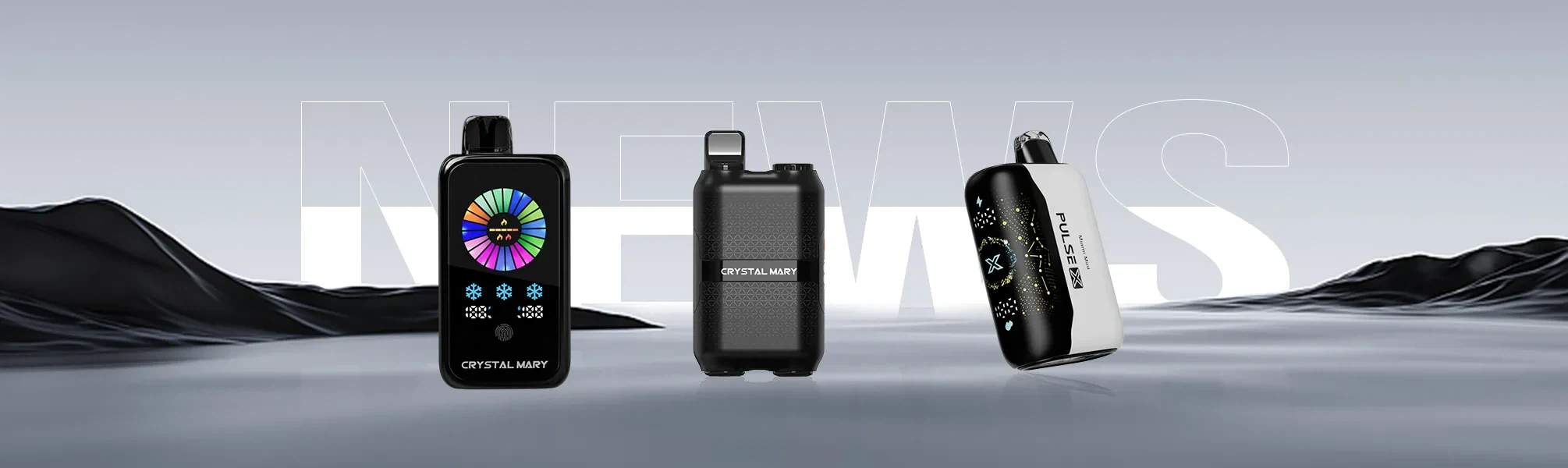
Retailers can connect flavor demand with high-puff disposable devices, screen-equipped products, and pod-style formats. Businesses evaluating Crystal Mary can share their target country, preferred categories, device type, and expected order volume.
FAQ
Q: What is the most popular vape flavor in 2026?
A: No single flavor leads every market. Watermelon Ice, Blue Razz Ice, strawberry blends, mango profiles, and mint options are common core choices. They are familiar and easy to position.
Q: What are the most popular vape flavors for a balanced store range?
A: A balanced range normally combines fruit-ice, single-fruit, mixed-fruit, tropical, mint, and one or two candy or sour profiles. This provides variety without creating too many overlapping SKUs.
Q: How many vape flavors should a retailer stock?
A: There is no universal number. Smaller retailers can begin with a focused core range. They can expand after reviewing repeat purchases, stock turnover, and customer requests.
Q: Are ice flavors more popular than non-ice flavors?
A: Ice variants are common because cooling can balance sweetness. Yet non-ice fruit, mint, and specialty profiles still serve important customer segments. Retailers should offer both where local regulations permit.
Q: Which flavors are suitable for wholesale orders?
A: Fruit, fruit-ice, mixed-fruit, mint, tropical, sour, and candy categories can all support wholesale assortments. The final mix should reflect the target market, device format, nicotine requirement, and order quantity.


