


E-Cigarette Costs Explained With A Full Breakdown Of Popular Vape Prices

Understanding the Real Cost of E-Cigarettes for Long-Term Users and Buyers
E-cigarettes, also known as vapes, come in many styles and price levels. New users often find all these choices hard to sort out. The full cost of vaping goes beyond just buying the first device. It adds in lasting costs, too. These include refills, new pods, coils, and battery charging or swapping. For lots of users and sellers, grasping the real e-cigarette cost matters a lot. It helps with personal money plans and business buys.
The cost varies based on a few main things. These cover the device kind, material strength, battery size, puff number, e-liquid amount, nicotine power, and whether the item follows rules. Throwaway vapes often sell for 5 to 30 dollars in stores. That price ties to puff size and battery length. Refillable pod systems start with higher costs up front. But they give stronger value over time. Reusable parts and smaller repeat costs make this true.
Seeing the e-cigarette types' price gaps aids buyers and importers. They can choose items that fit their use habits, money goals, and rule areas.
Disposable Vapes vs Refillable Pod Systems Price Comparison
The world market has two big groups of e-cigarettes. One is disposable vapes. The other is refillable pod systems. Each group has its own cost setup and user type.
Disposable Vapes Price Range and Features
Disposable vapes arrive filled with e-liquid. They work for one use only. These offer easy handling and simple carrying. That makes them liked by new tryers and folks on the go. But they need new ones often. So, the cost builds up over time.
Some examples are these:
CM Space Rocket with up to 20k puffs
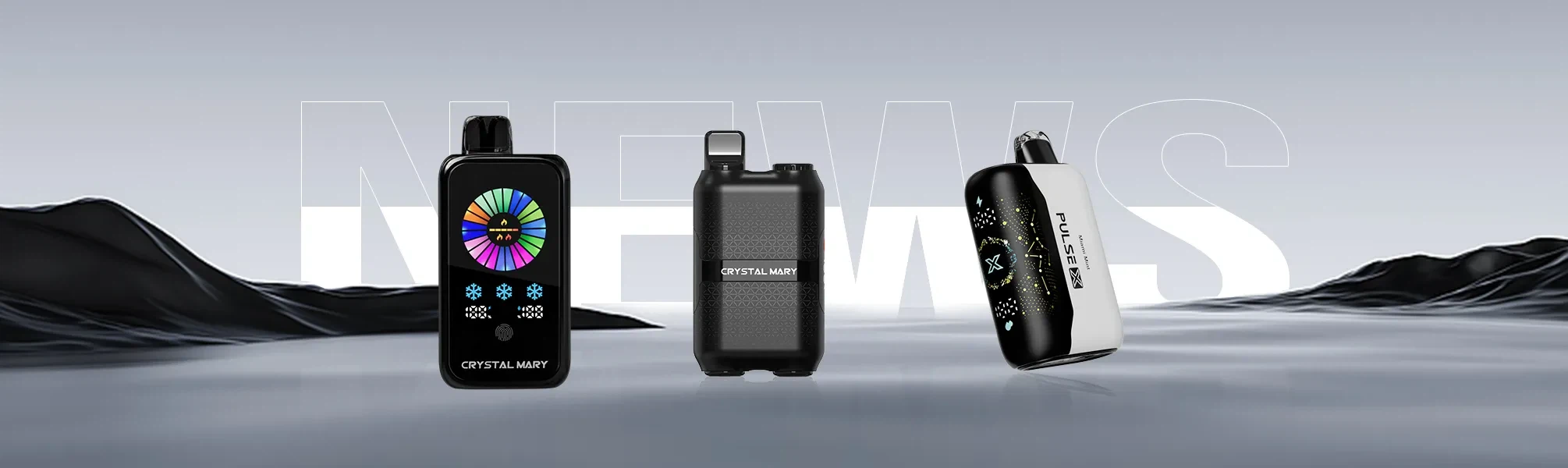
CM Pulse X with 30k puffs, 23ml e-liquid, and an 820mAh battery
Units with more puffs ask for more money at first. They hold bigger batteries and extra e-liquid. Still, for big users, these strong disposable vapes cut down on how often you buy new ones. They give better money savings per puff.

Refillable Pod Systems Cost Structure
Pod systems like SwitchPlus work for many uses. This one gives up to 30k puffs. It has 5 percent nicotine power, 24ml liquid space, and an 850mAh battery you can recharge. Pod systems need fresh e-liquid and pods now and then. But their batteries that last and refill options drop the total vaping cost a lot over time.
For people who use them often, refillable pod systems turn out cheaper than disposable e-cigarettes. This happens after a few months of use.
Key Factors That Influence E-Cigarette Cost
A few basic parts shape the price of e-cigarettes. This holds true in store sales and bulk buys:
Puff Count
Items with more puffs hold larger liquid amounts and tougher batteries. That leads to higher prices. But the cost for each puff ends up smaller in big units.
Battery Capacity
The battery size in mAh sets how long the device runs between charges. Bigger batteries make the use better. They also raise the product price.
Nicotine Content and E-Liquid Volume
Stronger nicotine and more liquid add to the material and mixing costs. So, that changes the price.
Technology Used
New parts like mesh coil technology, air flow guides, and chip guards up the manufacturing cost. They push the end price higher, too.
Compliance Certifications
Items that pass TPD in the EU and UK or PMTA in the USA face extra tests and rule costs. Those show up in the market prices.
Long Tail Cost Model: What Vaping Really Costs Per Month
For search tips and user help, the monthly cost is a key long-term topic. Here are rough store price plans:
Light User with Disposable Vapes
One 20k to 30k puff device each month
Expected monthly cost: 15 to 25 dollars
Heavy User with Disposable Vapes
One 30k to 50k puff device every three to four weeks
Expected monthly cost: 25 to 40 dollars
Refillable Pod System User
First device buy: 30 to 60 dollars
Monthly e-liquid and pod changes: 10 to 20 dollars
Average monthly cost after three months: 12 to 18 dollars
This shows why refillable pod systems often have the smallest long-term e-cigarette cost.

Environmental Impact and ESG Considerations of Disposable Vapes
From a green view, disposable vapes bring rising earth problems. Most of these units have lithium batteries, plastic covers, and wire parts. They are hard to reuse in normal trash setups.
Without real reuse plans, old disposable e-cigarettes go to dump sites. There, they cause:
Metal dirt spread
Plastic waste builds up
Battery fire dangers in trash plants
Lasting earth load
For green goals, refillable pod systems make far less electronic trash. They use background cycles. For companies and sellers who care about green scores, pushing reusable vape units and battery reuse plans boosts Earth care. It also lifts the brand's good name.
Safety and Compliance as a Long-Term Cost Control Strategy
Price counts a lot. But safety and rule following touch long-term cost right away. They do this through how well the product holds up, recall chances, and law risks.
CMvape ensures device safety with:
ISO 13485 checked auto-making spaces
Full tests for puff steadiness
Auto leak find systems
Battery safety checks and power work look
On top, CMvape items meet CE, FCC, and RoHS needs. These ensure power safety and limit bad stuff in world sales areas.
Keep in mind that vaping items are aimed at grown-up users only. Nicotine hooks people. And vaping has no full safety.
How Brand Reputation Impacts E-Cigarette Types' Price
A good brand name drives prices high in the e-cigarette field. Known makers put lots into product study, quality watch systems, and rule following. That ups the making cost. But it cuts later risks.
CMvape builds its items in Shenzhen, China. This spot stands as a world center for vape building. The place gives good chain links, trained workers, and top-quality tools. It keeps steady product strength, too.
Tools like QR codes allow the full group to trace. That boosts clear rules and user faith. These setups also aid quick product pulls if rules ask.
Ongoing Costs: Refills, Coils, and Device Maintenance
The first device price looks small. But repeated vaping costs add up as days go by. Disposable e-cigarettes need full new units again and again. Refillable ones need steady buys of e-liquid and pods or coils.
CMvape plans devices with batteries that last long, leak-stop systems, and tough stuff. These traits cut how often you replace. They lower full care costs too. So, users reach a smaller total vaping cost.
How to Budget for Vaping Practical Buyer's Guide
When making a vaping money plan, users should look at the whole cost build:
First device cost from throwaway or refillable pick
Monthly puff use and change times
E-liquid and pod change rates
Charge add-ons and device care
Rule following and safety check level
Paying a bit more for rule-fit items often leads to a smaller full own cost. Better hold up, fewer bad spots, and less safety dangers help.
Global Market Growth and Consumer Demand Trends
The world e-cigarette market should hit 89.9 billion dollars by 2031. It grows at a steady yearly rate of 9.2 percent. This rise shows more grown-up buyers want no-smoke choices. It also ups rule watch and green hopes.
Brands like CMvape give over 10 flavor picks in fruit, drink, and cool mint types. Grown users can change their vaping feel. They keep product safety rules at the same time.
Frequently Asked Questions About E-Cigarette Cost
What is the cost difference between disposable e-cigarettes and refillable pod systems?
Disposable e-cigarettes sell in stores for 5 to 30 dollars. That depends on puff number and battery size. Refillable pod systems need more money at the start. But they bring a smaller monthly cost over time. Reusable parts and refill plans make it so. CM Pulse X shows a strong puff throwaway choice. SwitchPlus shows a lasting refillable fix.
What factors should I consider when choosing an e-cigarette?
Main parts cover puff number, battery size, nicotine power, e-liquid amount, coil tech, rule checks, and brand build standards. These shape users feel and fully own the cost.
How does puff count affect the price of e-cigarettes?
More puffs raise the device price. Bigger batteries and extra e-liquid cause it. But strong units like CM Pulse Triple give a smaller cost per puff. They bring better time value for regular users.
Are safety-compliant e-cigarettes more expensive?
Rules checked e-cigarettes often start with higher prices. Tests, checks, and quality work cost more. Still, they give better hold up, fewer flaws, and smaller risks for buyers and sellers.
How can I reduce my long-term vaping cost?
Pick refillable pod systems. Watch monthly puff use. Choose trusty brands. Put rule-fit items first. These steps help hold total vaping money over time.


