


Do Disposable Vapes Expire, And What Are The Signs

Understanding Vape Juice and Device Shelf Life
Users continue to ask about the expiration date of disposable vapes. The answer to this question is affirmative. The e-liquid and device components both have restricted time periods before they become unusable. The vape juice undergoes oxidation, which results in flavor deterioration, while battery life and coil and wick components experience gradual deterioration. Users need to understand the lifespan of vape components to prevent substandard vapor production and taste issues and minimize potential safety hazards.
1. Shelf Life of Vape Juice and Devices
Vape Juice Shelf Life
The standard composition of vape juice includes propylene glycol (PG), vegetable glycerin (VG), nicotine, and flavorings. The behavior of each ingredient in vape juice changes at different points during its lifespan.
The liquid composition of PG makes it highly absorbent, while it becomes susceptible to oxidation when exposed to air. VG storage in hot or sunny conditions leads to its accelerated deterioration process. The combination of oxygen with nicotine results in a darker color that produces an unpleasant throat sensation. The strength of flavorings decreases as time passes, while their distinct aromas disappear.
Vape juice stored in an air-tight container under dark conditions at room temperature will remain fresh for two years. The packaging of most vape juice bottles includes both "best before" and "use by" expiration dates. The combination of air exposure and light exposure causes e-liquid to oxidize at a faster rate. The quality of e-liquid remains stable for six to twelve months after the bottle has been opened.

Vape Device Shelf Life
A disposable vape contains multiple essential components, which include a battery and coil and cotton wick and tank or cartridge and seals and airflow channels and pressure sensor, and safety chip. Each component of the device has its own predetermined lifespan.
The battery operates for six months to one year before needing replacement. The battery life becomes shorter when devices experience high temperatures or extended storage periods. The lifespan of rechargeable models extends longer, but they experience a gradual decrease in battery capacity. The seals of tanks and cartridges remain tight for multiple months until they start to fail. The lifespan of coils and wicks depends on e-liquid selection and user vaping patterns and typically reaches one to two weeks. The device shell will last many years when users maintain it correctly, but disposable devices exist for single use until their juice or battery runs out.
A disposable vape device reaches its endpoint when either the liquid supply becomes empty or the battery fails to produce sufficient heat for the coil.
2. How to Tell When a Vape Has Expired
Signs That Vape Juice Has Expired
Color change: The e-liquid turns darker following oxidation.
Flavor change: The taste becomes flat while simultaneously developing sour or chemical notes.
Texture change: The juice thickens or separates into layers.
Unusual smell: A sour or burnt odor suggests degradation.
Signs That the Device Has Aged
The device shows signs of leakage through its mouthpiece area when users notice moist areas or foggy substance accumulation.
Sensor malfunction: The system produces weak ignition signals and delayed firing because of insufficient voltage supply.
Coil wear: The taste becomes dry or burnt even when you only take light puffs.
Weak vapor: The system produces thin clouds and irregular pulls because its components have started to deteriorate.
3. How to Extend the Shelf Life of a Disposable Vape
The proper handling of e-liquid and hardware elements ensures their best possible performance.
Vapes require storage in rooms with dry air at cool temperatures while avoiding sunlight and heat sources. The mouthpiece requires sealing, or you should store the device in its original packaging to reduce air exposure. The selection of lower nicotine levels benefits users because high-nicotine liquids experience accelerated oxidation. Select VG/PG ratios that maintain equilibrium because VG liquid degrades at a faster rate than other available options. The natural decay of fruit-based flavors occurs at a faster rate than menthol and dessert flavor combinations. The mouthpiece and contacts require regular cleaning to remove buildup, which protects coils and cotton from hot puff damage. The coil will last longer when you take short breaks between vaping because this method keeps the wick moist.

4. Health and Safety Risks of Expired Vapes
The use of expired liquids together with worn-out devices results in multiple minor operational problems.
The harsh throat sensation occurs when nicotine becomes oxidized or when cotton material gets burned.
The device produces less vapor, and its flavor becomes less intense because its coils have aged.
The process of inhaling oxidized compounds could lead to skin irritation.
Battery instability or overheating after long storage.
Stop using the device immediately when you detect unusual tastes or leaks, or when vapor production becomes poor. The device should be discarded through battery recycling facilities for better safety and environmental protection.
Conclusion
The lifespan of disposable vapes extends beyond their initial use period. The shelf life of unopened e-liquid reaches two years, but batteries and coils used regularly will last between six months to one year. The lifespan of vapes extends when users store them correctly and use them at moderate levels.
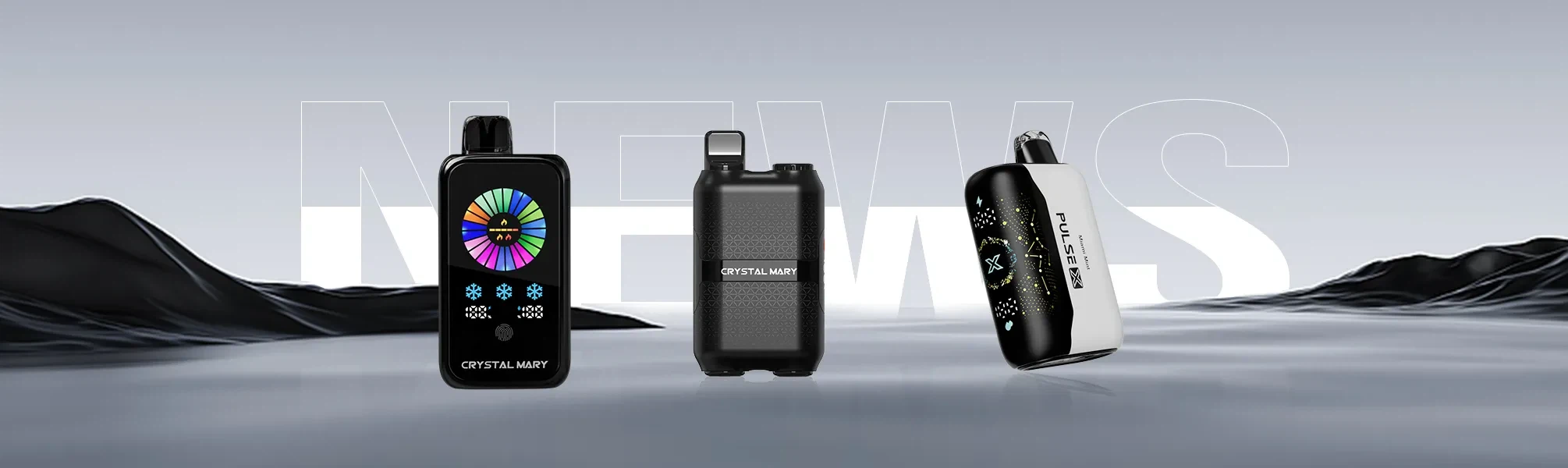
The Space Rocket and Pulse X, and Groove lines from CM Vape feature durable construction through strategic design, which maintains consistent flavor and smooth airflow. The devices provide consistent performance until the last draw when properly stored.
FAQ
Q1: Do disposable vapes come with an expiration date?
A: Yes. The e-liquid solution inside disposable vapes together with their internal devices, has a restricted time period before they become unusable. The e-liquid flavor will degrade through oxidation when stored for longer than two years. The battery and coil components inside disposable vapes achieve their peak performance during the first six to twelve months of use. The storage of vapes in dry environments at low temperatures will help maintain their freshness.
Q2: Can I use a year-old disposable vape?
A: The device remains usable when you store it correctly, and the flavor remains unchanged. The battery performance of the unused disposable device will decrease after one year of storage, while the vape juice will experience color changes and flavor degradation. The device requires replacement when vapor production becomes weak or when flavor quality deteriorates.
Q3: What occurs when I use an expired disposable vape product?
A: The nicotine in expired disposable vapes will oxidize while the coil wears out, which results in harsh or burnt vaping experiences. The vapor produces dry and rough textures, while old batteries sometimes lead to overheating issues. The experience becomes unpleasant while wasting the remaining juice from the device.
Q4: What are the correct circumstances to discard a disposable vape device?
A: Users need to discard their disposable vape devices when the e-liquid runs out or when the battery fails, or when the flavor becomes unrecognizable. Users need to discard their device right away through battery recycling bins when they notice leakage or strange smells, or when they feel heat near the mouthpiece area.
Q5: Do vapes become expired after their first use?
A: Yes. The liquid inside disposable vapes and vape juice bottles will degrade faster when they are exposed to air and light after their first use. The liquid remains usable for six to twelve months following the initial opening of the product. The aging process of vapes becomes slower when users maintain their devices in sealed conditions and practice proper cleaning, and store them in heat-free areas.


